



Summarise this blog
 ChatGPT
 Claude
 Perplexity
Key Takeaways
- Schema markup is structured data added to your website's code that helps search engines understand the meaning and context of your content.
- It can make your listings more engaging in search results, increase organic clicks, support voice search and provide instant answers.
- Choose the schema types that match your content, such as Article, Product, FAQ or Local Business, and add them manually as JSON-LD or with a plugin.
- Keep your markup accurate and up to date, never add misleading data, and validate it with testing tools.
When it comes to improving search visibility, schema markup has become a key tool for SEO professionals. It helps search engines understand what’s on your website better, which can lead to better search results and more clicks. If you’re looking for ways to strengthen your SEO strategy, implementing schema markup can make a significant difference.
In this article, Search Studio will guide you to understand what is schema markup, how it works, and why schema markup is important for your SEO efforts.
What Is Schema Markup?

Schema markup is a form of structured data that you embed in your website’s code to help search engines understand the significance and context of your content. Instead of just interpreting plain text, search engines can identify specific elements such as product details, reviews, events, or business information.
A product page can use schema to make price, availability, and rating information visible immediately in Google search. A published article may display information such as publication dates, authors, or frequently asked questions below the listing. This additional context not only improves how search engines read your site but also how users engage with it.
Why Is Schema Markup Important for SEO?

Understanding why schema markup is important starts with how search engines work. Search engines aim to present users with content that is both highly relevant and valuable. Schema markup gives them additional context, making it easier to match your content to the right audience.
The benefits of schema markup for SEO include:
- Improved click-through rate (CTR) – Search listings with rich snippets grab attention and generate increased click-throughs.
- Better content understanding –Schema helps search engines interpret and categorize your content more accurately, ensuring your pages appear for relevant searches.
- Increased visibility – Improved search results help your content get noticed among competitors.
- Support for voice search – Structured data allows voice assistants to retrieve and present precise information from your site, improving results for voice queries.
Types of Schema Markup in SEO
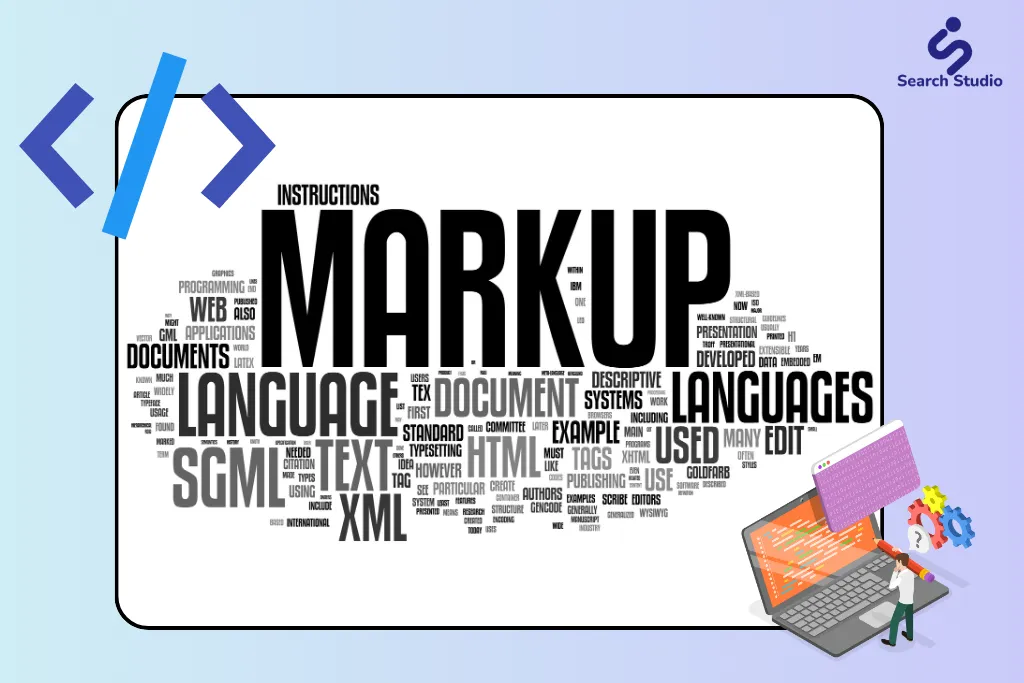
In SEO, schema markup comes in various forms, each designed for a specific function. Choosing the right type depends on the nature of your content:
-
Article – For blog posts, news articles, and various other types of written material.
-
Product – For e-commerce websites to display product details like price, reviews, and availability.
-
Local Business – For businesses to show location, contact details, and operating hours.
-
FAQs – To feature common questions with answers in search result pages.
-
Event – For listing events with dates, times, and ticket details.
-
Review – To display star ratings and review counts.
-
Recipe – For food-related sites showing ingredients, cooking time, and ratings.
Applying the correct schema format ensures your content is showcased in the best possible way on search result pages.
How to Add Schema Markup

If you want to know how to add schema markup to your website, there are several methods depending on your technical skills:
-
Manual implementation – Add JSON-LD code (recommended by Google) directly to your website’s HTML. This allows you complete authority over the information you share.
-
Content management system (CMS) plugins – Platforms like WordPress offer SEO plugins such as Yoast SEO or Rank Math, which simplify the process.
-
Google’s Structured Data Markup Helper – A free tool that guides you through creating schema markup for different types of content.
-
Tag Manager – With Google Tag Manager, advanced users can insert schema without having to edit the site code manually.
Once you’ve added schema markup, check it with Google’s Rich Results Test to confirm proper implementation.
How Schema Markup Improves SEO Performance

Schema markup improves SEO in several key ways by improving how your site appears in search results and how users interact with it.
More Engaging Search Results
Schema enables rich snippets that make your listings stand out with extra details like ratings and images, attracting more attention from searchers.
Increased Organic Traffic
By improving how your listing appears, you can increase clicks and draw in qualified traffic without moving up in search position.
Better Match with Search Intent
Structured data helps search engines understand your content’s context, ensuring your pages appear for the most relevant queries and improving user satisfaction.
Support for Voice Search
Schema markup makes it easier for voice assistants to find and deliver accurate answers from your content, helping you capture growing voice search traffic.
Providing Instant Answers to Users
Schema can trigger featured snippets or answer boxes, giving users quick information and boosting your site’s authority and visibility in search.
Best Practices for Schema Markup

To get the best results from schema markup for SEO, you can follow these guidelines:
Use Relevant Schema Types
Only apply schema markup that accurately reflects the content on your pages to avoid confusion.
Keep Information Updated
Regularly review and update your structured data, especially for dynamic content like prices, events, and availability.
Avoid Misleading Data
Never use schema to misrepresent your content as this can lead to penalties from search engines.
Validate Your Markup
Use tools like Google’s Rich Results Test to check your schema markup for errors and ensure proper implementation.
Conclusion
Schema markup is not just a technical addition, it’s a strategic SEO tool that makes your content more visible, clickable, and relevant in search results. By selecting the right schema types and keeping your data accurate, you can improve user engagement and strengthen your overall SEO performance.
For businesses looking to fully optimize their SEO approach, Search Studio, a trusted SEO agency in Thailand, provides expert SEO services designed to help your website stand out in competitive search results. Contact us today to get a free consultation! 🚀
Frequently Asked
Questions
Book your callWhat is schema markup?
Schema markup is structured data added to your website's code that helps search engines understand the meaning and context of your content, such as product prices, reviews, events or business details.
Why is schema markup important for SEO?
It can earn rich results with extra details like ratings and images, which improves click-through rates, matches your pages to the right search intent, and supports voice search and instant answers.
What are the main types of schema markup?
Common types include Article for blog posts and news, Product for eCommerce, Local Business for business details, plus types for events, reviews, FAQs and more. Choose the type that matches your content.
How do I add schema markup to my website?
Add JSON-LD code (the format Google recommends) directly to your HTML, or use a CMS plugin such as an SEO plugin for WordPress. Then validate it with Google's Rich Results Test.
What are schema markup best practices?
Only use schema that accurately reflects the page, keep the data up to date (especially prices and events), never use it to mislead, and validate your markup regularly.