There are many other search engines other than Google. Though they are excellent and reliable, some search engines are yet to be known by many internet users. When people think of search engines, the first name that comes to mind is often Google, but Google is not the only option when seeking relevant results. This piece will bring to light other search engines besides Google to enhance your internet user experience.
But first, let’s talk a little bit about Google. Google is currently the most efficient and most popular search engine. It held the highest market share of about 92.37%. we were not talking about other search engines besides Google. It would have definitely topped the list.
Now let’s take a closer look at the list of internet search engines that are rocking the world but are just not that popular.
1. AOL
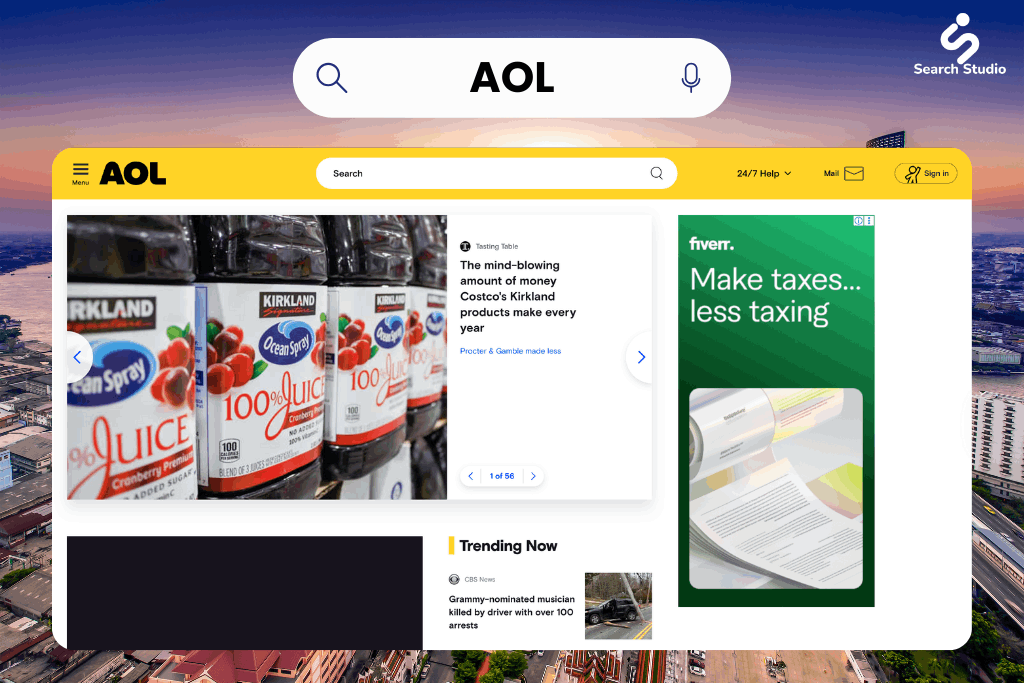
It is interesting that even after existing for so long as a lesser-known search engine, AOL.com is still featured in the list of ten best search engines. With a market share of 0.06%, you can do amazing things with this search engine. In its network are websites such as techcrunch.com, engadget.com, and huffingtonpost.com.
Pros:
- It is fast
- Easy to use
- Amazing home screen layout
Cons:
- Does not date search results
2. Ask.com
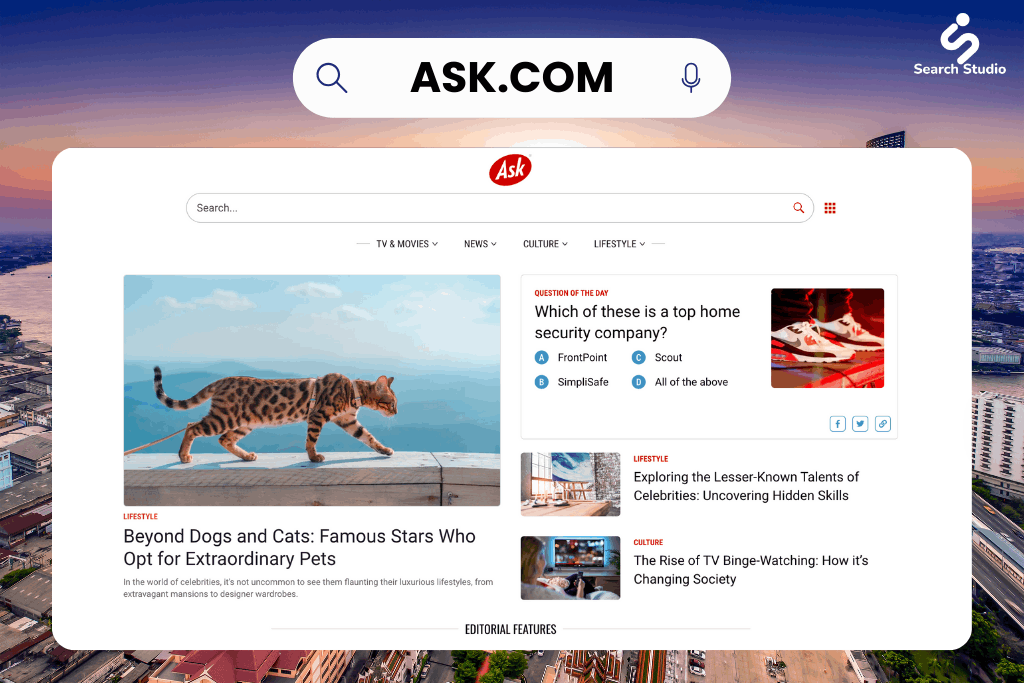
Initially known as Ask Jeeves, Ask.com is worth mentioning in the list of best search engines other than Google. This is because it works on the basis of a question-answer format for easy reading of content online. This implies that most of the questions you ask were already asked by other users and the answer provided.
Pros:
- Easy-to-use features
- Dazzling layout
Cons:
- Not all answers are accurate
3. Baidu
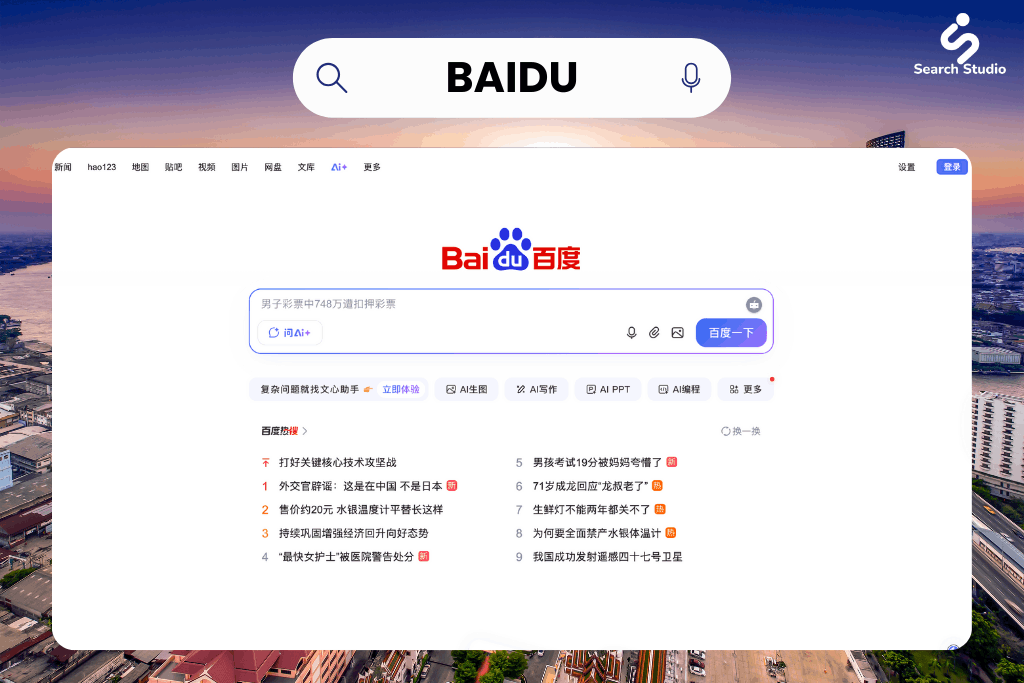
This search engine was founded and launched in 2000. Though a relative unknown in the United States, Baidu is the most popular in China. It serves at least 4 billion search queries every month and is a one-stop platform for Chinese-language content, news, and services.
Pros:
- A one-stop for lots of information
- Easy to use
Cons:
- Not fast enough
4. Microsoft Bing
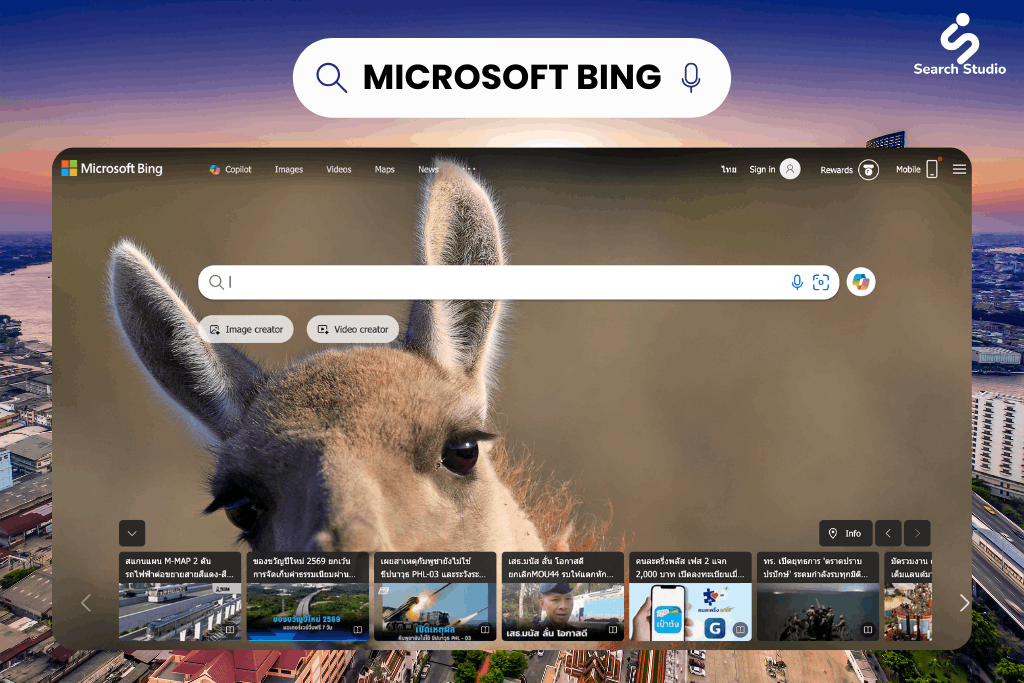
Bing has always tried to replace Google and is the second most popular search engine. It was initially known as MSN until 2009 when it was updated. Bing’s leftmost column supports research by providing suggestions. Though it cannot beat Google in the near future, it is still worth trying out, especially for image and video search.
Pros:
- Perfect video indexing
- Equally crawls private and public content
- Favours older web pages
- The home screen has an inspiring image
- Ranks homepages instead of blogs
Cons:
- Ad-heavy search result screens
- Forums get low ranks in search results
- Search slower compared to Google
5. ChatGPT
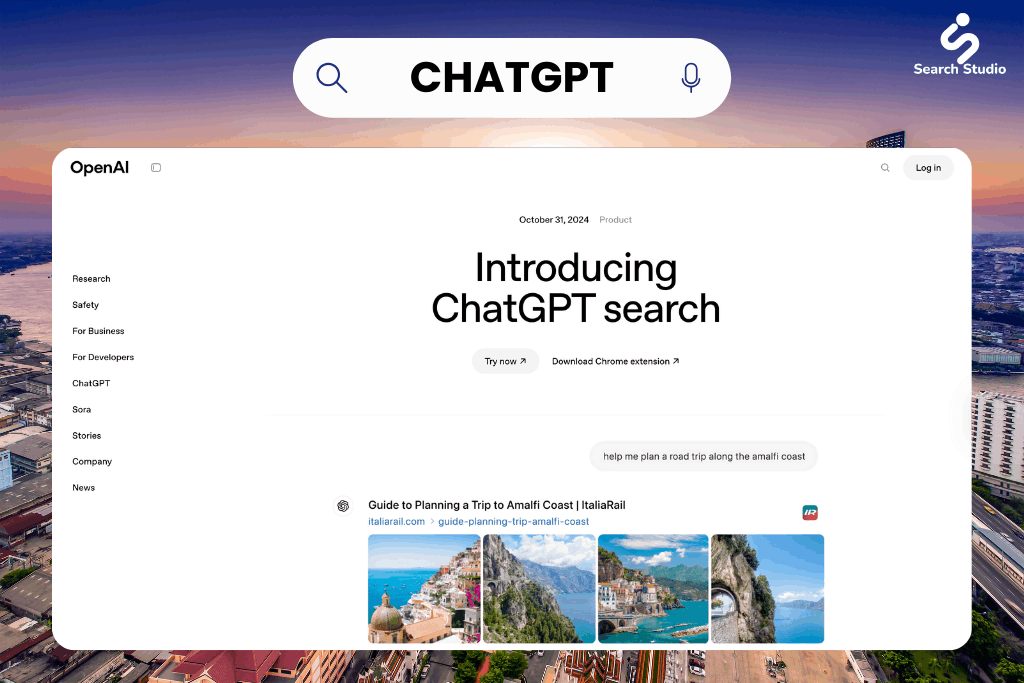
ChatGPT Search is part of a new wave of AI-powered search experiences. Instead of just showing a list of links, it provides conversational answers based on large language models. This makes it useful when you want explanations, summaries, or ideas, not just simple web pages.
Pros:
- Conversational, easy-to-understand answers
- Great for brainstorming, summaries, and explanations
- Can combine information from multiple sources in one reply
Cons:
- Not a traditional search index with dated results
- May not always show sources or real-time data by default
6. DuckDuckGo
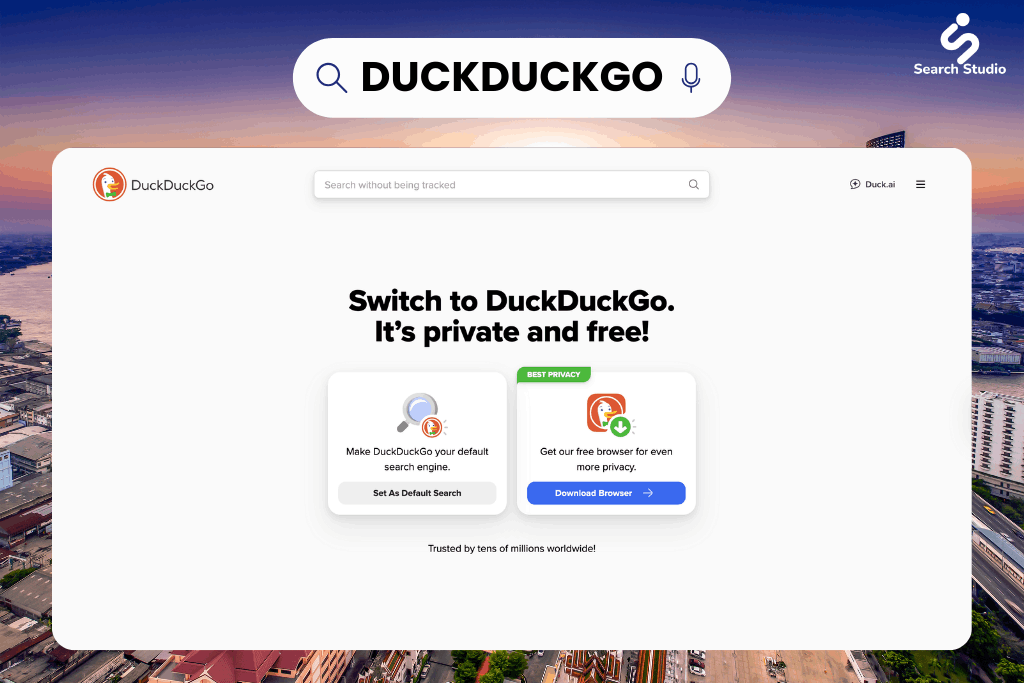
This search engine has a layout like that of Google. Nevertheless, there are many other features that make this search engine different and outstanding. The zero-click information lets you get all your answers on the first page. The disambiguation prompt helps to clarify your query for improved results. It is safe to use, as no search information is shared, tracked, or stored.
Pros:
- No browsing information tracked or stored
- Quick searches
- One-month search window
Cons:
- Search result not dated
- Poor image search results
- Zero personalised results
7. Google Scholar

This is another special version of Google. If you are looking to win a debate, then this search engine has your back. It mainly focuses on academic materials, which are hard to find anywhere else on the internet. Most of its contents have been put through scrutiny to ensure that they are of the best quality. Also, Google Scholar Search is the best search engine for students.
Pros:
- Save sources to read later
- Indicates citations
- Easy to use
- All citation styles available
Cons:
- Not very comprehensive
- Limiting results by discipline is not possible
8. Internet Archive
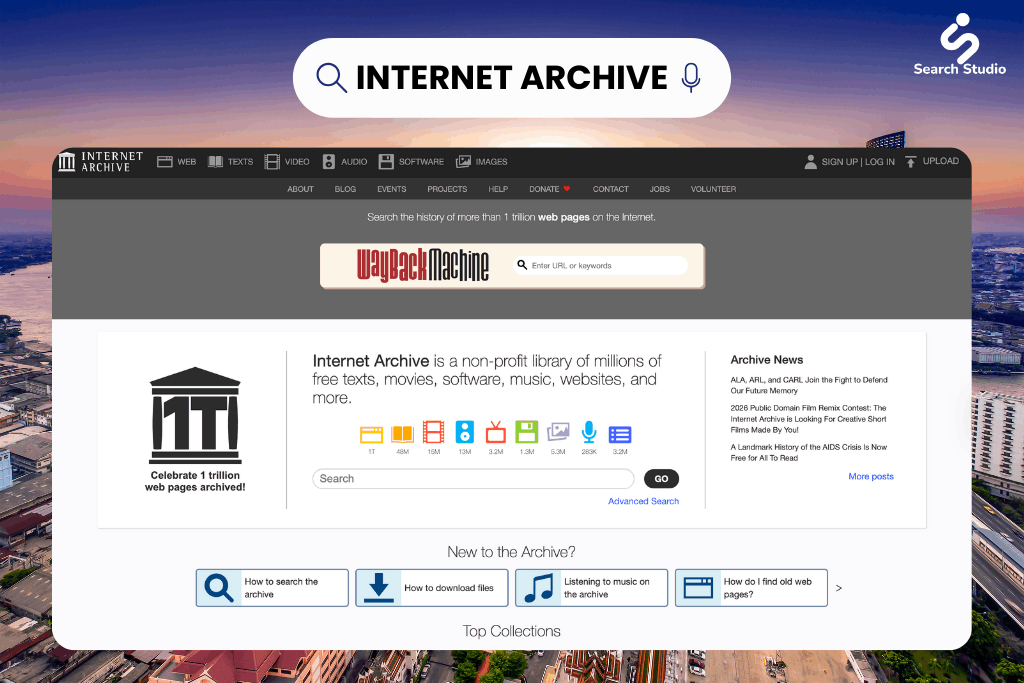
If you are a long-time web lover looking for search engines for research, then this might be the right engine for you. For many years, the archive has taken an extensive collection of photos of the World Wide Web. This helps you to go back in time to see what the internet looked like in the 90s or what the news was like around Hurricane Katrina in 2005.
Pros:
- Can search text, archived and news
- Advanced search available
Cons:
- Too much archived content could be overwhelming
- Advanced search needs a learning curve
9. Naver
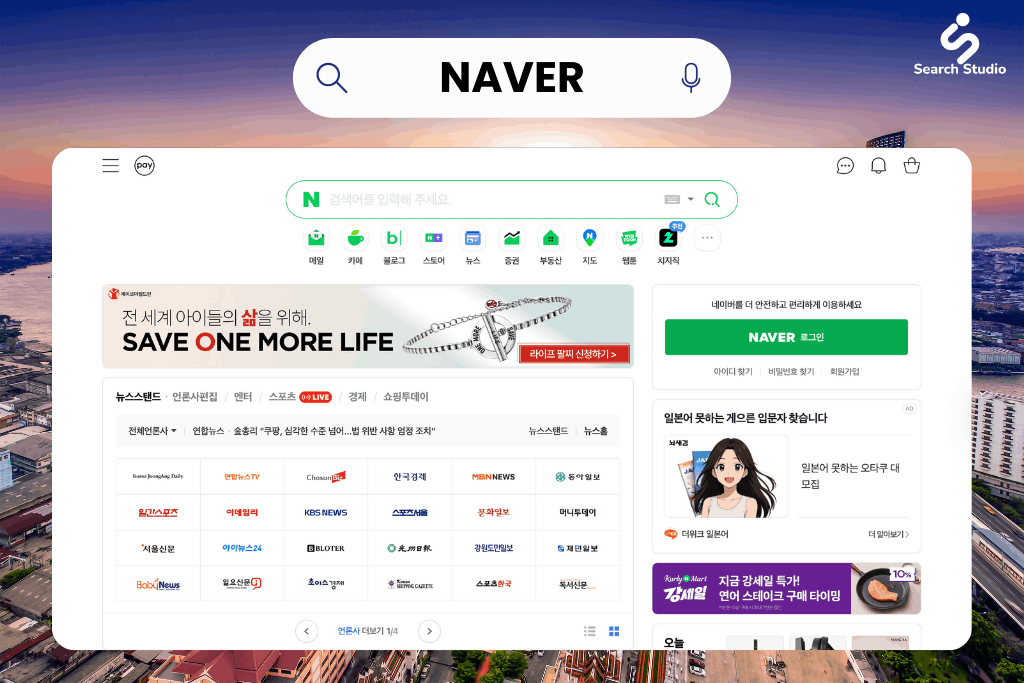
Naver is the leading search engine in South Korea and a great choice if you are looking for Korean-language content, local services, news, and entertainment. Beyond search, Naver includes blogs, Q&A communities, shopping, and more.
Pros:
- Strong for Korean content and local results
- Integrated services like blogs and Q&A
- Good for users in or interested in South Korea
Cons:
- Interface and results are focused on Korean users
- Less useful for global English-only searches
10. Perplexity.ai
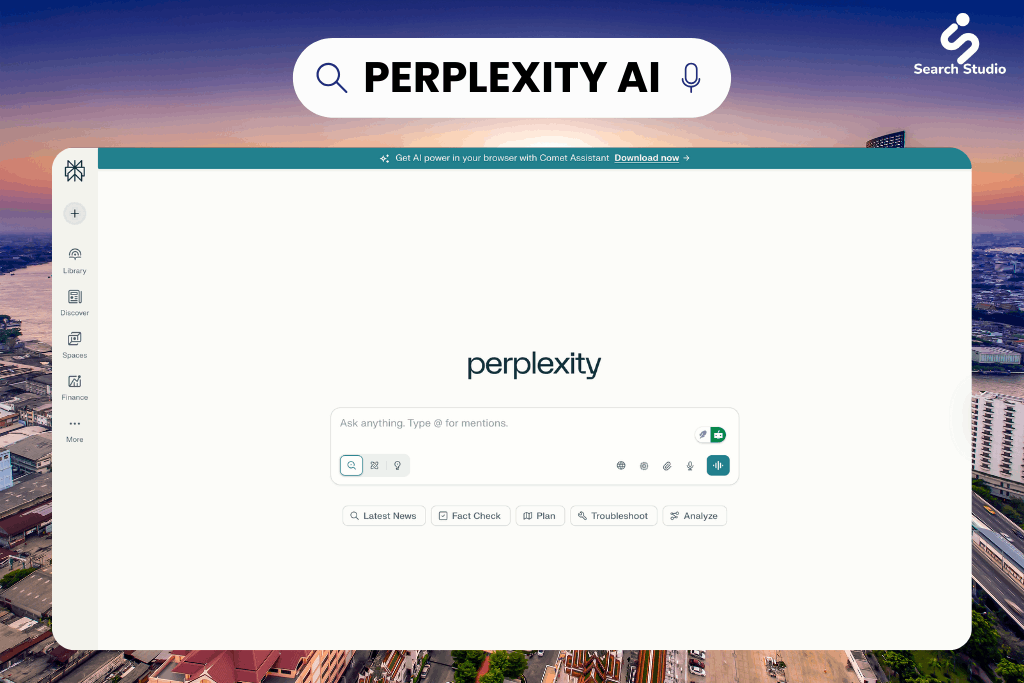
Perplexity.ai is another AI-powered search engine that combines web search with conversational answers. Instead of just listing links, it responds in natural language and often includes cited sources, which is helpful for quick research.
Pros:
- Conversational results with source links
- Good for “what,” “why,” and “how” questions
- Fast and easy to use on both desktop and mobile
Cons:
- Still relatively new and evolving
- Not as comprehensive as traditional engines for every niche
11. Qwant
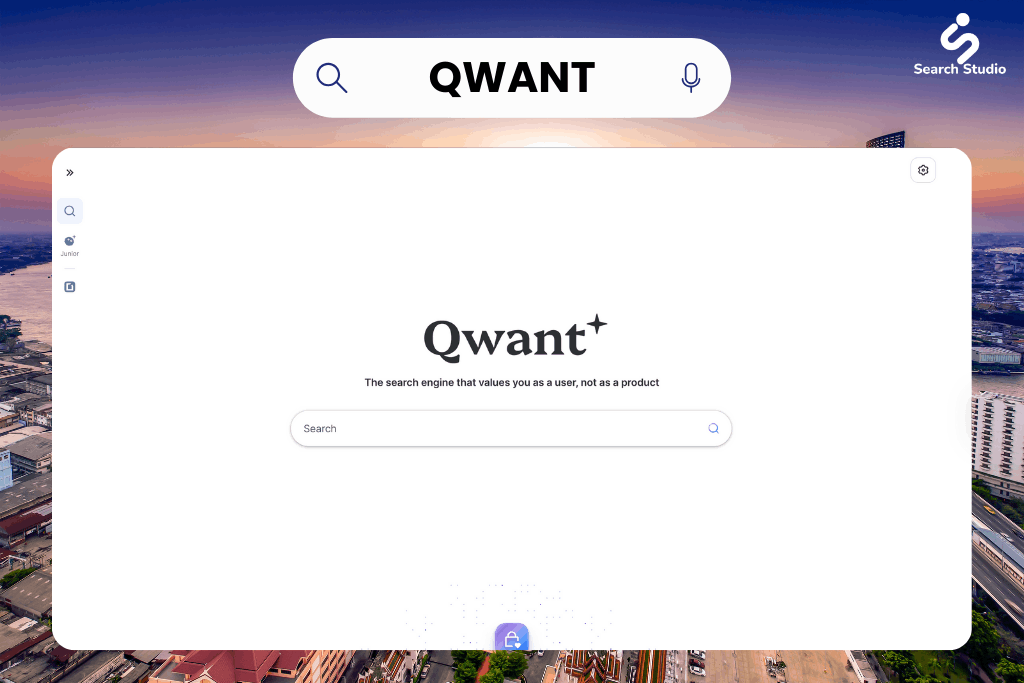
Qwant is a French search engine that focuses heavily on privacy and follows strict European data protection standards. It aims not to track your searches, store your personal data, or sell it to advertisers. Instead, it tries to deliver neutral, unfiltered results that are not based on personal profiling.
Qwant also offers different sections such as Qwant Junior (for children), news, maps, and music. This makes it a solid all-round alternative to Google for users who want a more privacy-respecting search experience.
Pros:
- Strong focus on privacy and data protection
- Does not sell personal data or build detailed advertising profiles
- Independent European search engine with its own index
- Extra sections like Qwant Junior and news
Cons:
- Smaller index than Google, so niche queries may be weaker
- Result quality and speed can vary by region
12. Brave Search
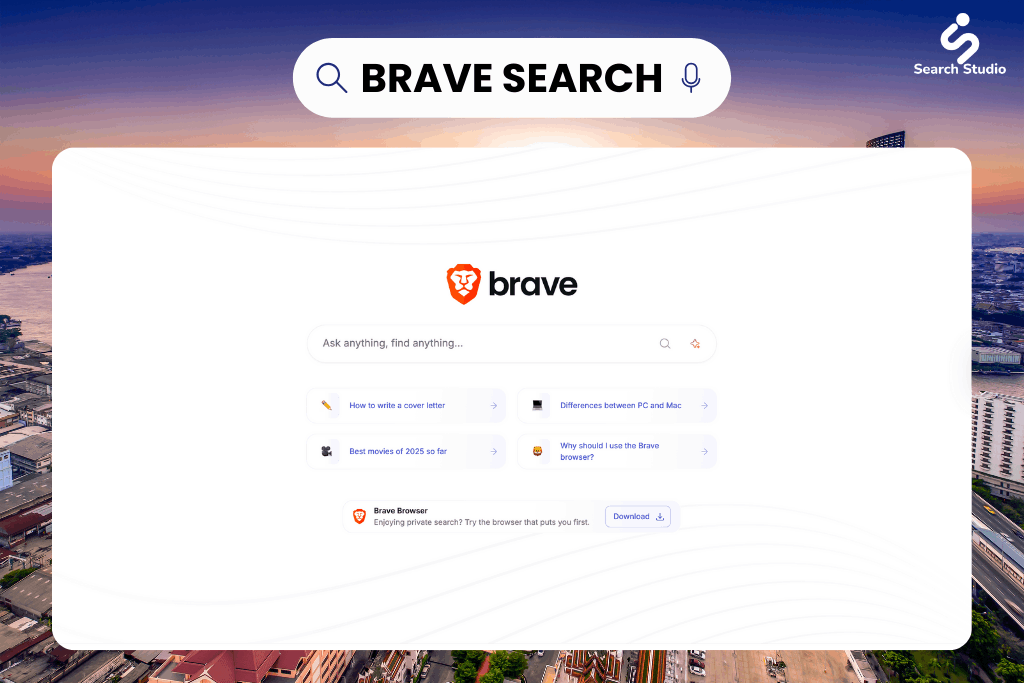
Brave Search is a privacy-focused search engine developed by the team behind the Brave browser. Unlike many traditional search engines, Brave uses its own independent index for most queries instead of relying heavily on third-party APIs. This makes it a strong option for users who care about privacy and want an alternative to Google’s data-driven ecosystem.
Brave Search does not track your searches, build advertising profiles, or sell your data. It also offers a feature called Goggles, which lets users apply custom filters to reorder or refine search results based on their preferences.
Pros:
- Strong focus on user privacy
- Independent search index, not just a skin on another engine
- Customizable search experience with Goggles
- Clean, fast interface (with an ad-free Premium option)
Cons:
- Smaller index than Google or Bing, so some niche queries may be weaker
- Still developing, so features and result quality can vary by region
13. Yahoo!
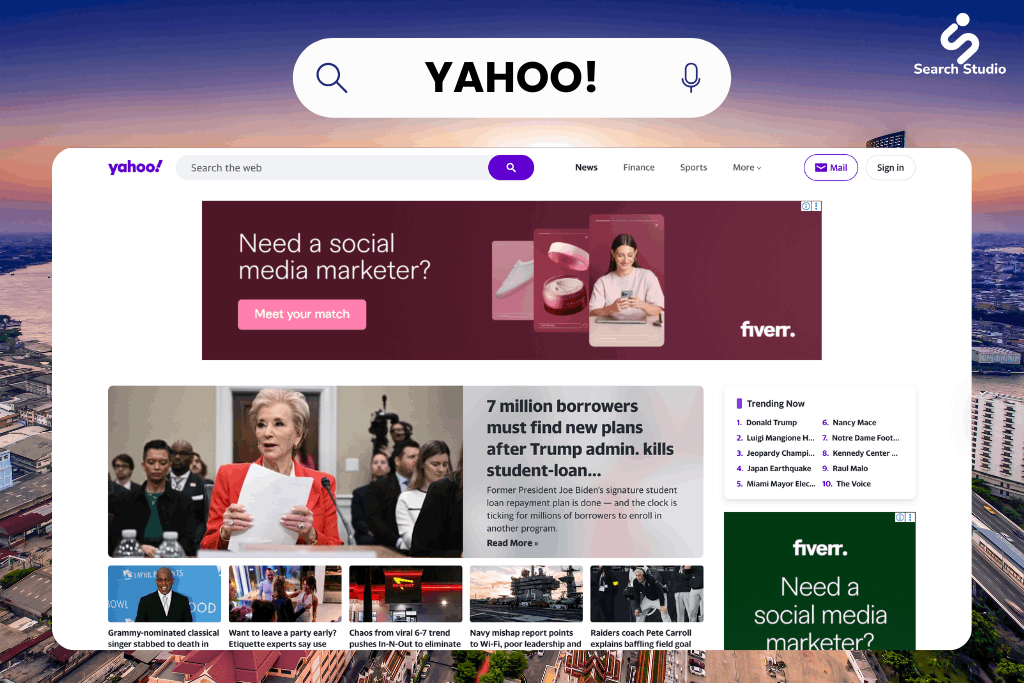
This search engine contains many features, such as a shopping center, news aggregator, email service, travel directory, games center, horoscope, and much more. It is the best site for internet beginners. From Yahoo, it is possible to do a lot more than just surf the net for information.
Pros:
- Trending topics and news in the home screen
- One-stop for weather, horoscope, email, and horoscope
- Can search verticals instead of web
Cons:
- No date for search results
- The home screen has large ads
- Ads are not labeled clearly as ads
14. Yandex
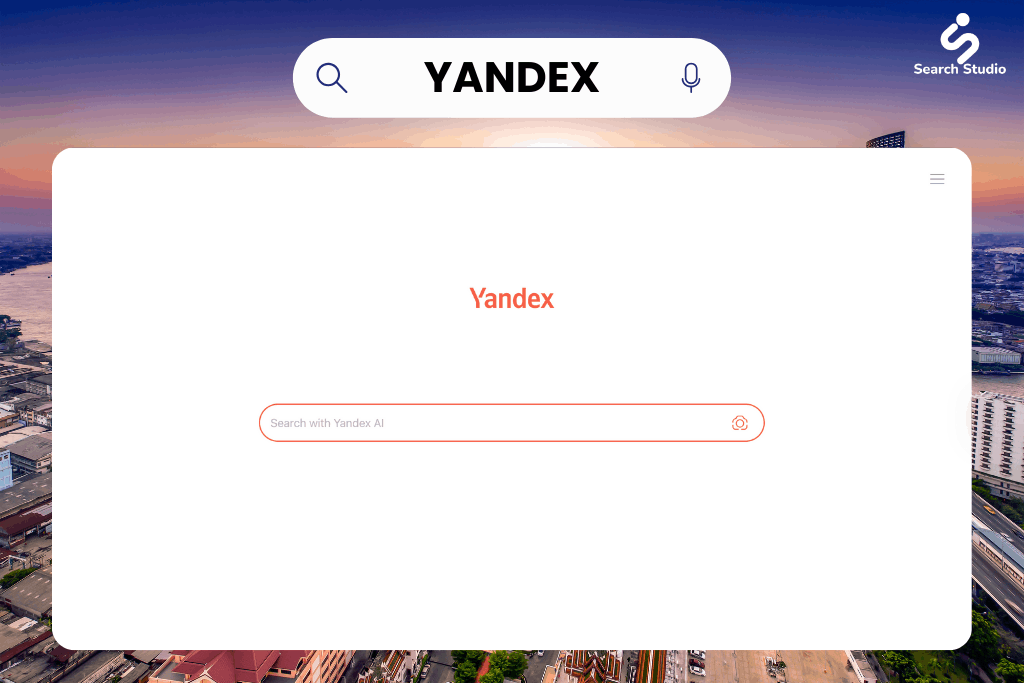
Yandex is the most popular search engine used in Russia. It has quickly risen to become more popular worldwide for those looking for easy-to-use search pages between different languages. It features English, Russian, German, French, and other Eastern European languages. This allows bilingual searchers or students to easily find whatever it is they’re looking for in another language.
Pros:
- Clean, colourful user interface
- Blocks dangerous websites and pop-ups
- Excellent translation feature
Cons:
- No longer in development for Android
15. You.com

You.com is a newer search engine that combines traditional results with AI and app-style panels. It aims to give users more control over how results are displayed and how much personalization they want.
Pros:
- Customizable layout and result types
- AI answers alongside web links
- Focus on privacy and user control
Cons:
- Smaller user base and index
- Experience and quality can vary by query type
The Final Word
Whether you have been looking for search engines for students, privacy-focused options, or what the second most used search engine is after Google, you can get your answer from this list. Bing has always kept Google on its toes, but the other engines are also doing great, as they have unique features that make each of them stand out.
From AI-driven tools like ChatGPT Search and Perplexity.ai to privacy-first options like DuckDuckGo, qwant.com, and search.brave.com, exploring alternatives to Google can improve your search experience and help you find results that better match your needs.
If you’re running a business and want people to find you across these different platforms, not just on Google, that’s where Search Studio comes in. Our team focuses on SEO and content strategies that help your website stay visible in traditional search, AI-powered search, and local results. So the right customers can discover you, wherever they’re searching. Contact us.